This page on Miniature Poodle FAQ was created to help you make an informed, confident decision when considering adding a Miniature Poodle to your family.
As an ethical breeder dedicated to the health, temperament, and long-term well being of the Miniature Poodle, I receive a wide range of questions from families wanting to learn more about this exceptional breed. Poodles are known for their intelligence, versatility, loyalty, and elegant appearance—and because they come in three AKC recognized sizes, many families want to understand the differences before choosing the right fit for their home. If you have any questions, contact us and we’ll help all we can!
Miniature Poodle FAQ #1: What Makes a Poodle an Excellent Family Companion?
Poodles consistently rank among the most intelligent dog breeds in the world. Their trainability, sensitivity, and eagerness to please make them adaptable for households of all sizes and lifestyles.
Key qualities that make Poodles exceptional companions:
-
Highly intelligent — quick learners who excel in obedience and problem-solving
-
Non-shedding coats — low-dander and allergy-friendly for many families
-
Social and affectionate — thrive on companionship and bonding
-
Versatile — great for active homes, therapy work, dog sports, and travel
-
Long lifespan — 12–16 years depending on size and genetics
Poodles are emotionally intuitive and naturally people-oriented. This combination of brains and heart is why they’re loved around the world.
Miniature Poodle FAQ #2: What Are the AKC-Recognized Sizes of Poodles?
The American Kennel Club recognizes three size varieties. All held to the same breed standard except for height differences. Understanding these distinctions helps families choose the best match for their lifestyle. You can read AKC’s breed standards and learn more about Poodles on their site here.

Poodle Sizes
Toy Poodle vs. Miniature Poodle vs. Standard Poodle
Toy Poodle
-
Height: Up to 10 inches at the shoulder
-
Weight: 4–9 pounds on average
-
Temperament: Alert, affectionate, and very people-focused
-
Best suited for: Apartment living, retirees, families who prefer a small companion
Toy Poodles are the smallest of the breed and tend to bond very closely with their humans. Their petite size makes them ideal for indoor living, but they still require mental and physical stimulation just like larger Poodles. The Toy Poodle may not be the best choice for families with small children due to their size.
Miniature Poodle
-
Height: Over 10 inches but not over 15 inches
-
Weight: Typically 10–15 pounds
-
Temperament: Intelligent, athletic, playful, affectionate, and adaptable
-
Best suited for: Families with children, active homes, apartment living, retirees, therapy, households wanting a mid-sized Poodle
Miniature Poodles strike a balance between the dainty Toy and the sporty Standard. Their size makes them sturdy enough for play while still being easy to travel with. As an ethical Miniature Poodle breeder, this is the variety I am proud to specialize in.
Standard Poodle
-
Height: Over 15 inches (usually 22–27 inches)
-
Weight: Generally 45–70+ pounds
-
Temperament: Intelligent, athletic, loyal, and graceful
-
Best suited for: Active families, homes with space, people who enjoy outdoor activities
The Standard Poodle is the original size variety. Known for elegance and athleticism, they excel in agility, water retrieving, therapy roles, and family companionship.
Miniature Poodle FAQ #3: Are Poodles Hypoallergenic?
While no dog is 100% hypoallergenic, Poodles are among the top recommended breeds for allergy-sensitive homes. Their curly coat continuously grows rather than shedding, which reduces dander in the environment. Please know, though, that some people are actually allergic to dog saliva rather than their coats, so any dog that licks could potentially cause a reaction. We are more than happy to do a “test” with you if you are interested in one of our puppies. Contact us to ask about our test for those dealing with allergies.
Benefits of the Poodle coat:
-
Minimal shedding
-
Less dander release
-
Fewer allergens on furniture and clothing
-
Highly customizable grooming styles
However, regular grooming and bathing remain essential to maintain coat health and manage allergens effectively. Click here to view our page on Miniature Poodle grooming.
Miniature Poodle FAQ #4: How Much Grooming Do Poodles Require?
Poodles need regular grooming because their coat grows continuously. Neglecting grooming can lead to matting, discomfort, and skin problems.

Grooming Tools
General grooming guidelines:
-
Professional grooming: Every 6-8 weeks
-
Brushing: 1-2 times per week (daily for longer styles)
-
Ear cleaning: Twice a month to prevent infections (weekly if your dog is prone to them)
-
Nail trimming: Every 6-8 weeks (2-4 weeks for elderly or if their are children in the household)
-
Teeth brushing: Several times per week
Many families choose low-maintenance clips such as the Puppy Clip or Teddy Bear Trim. Others enjoy the classic Poodle looks like the Continental or English Saddle.
Miniature Poodle FAQ #5: Are Poodles Good With Children?
Yes. Especially well bred and properly socialized Miniature and Standard sized Poodles. They are known for their patience, intelligence, loyalty, and playful energy.
Poodle behavior around children:
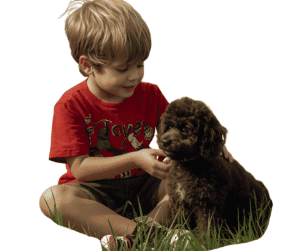
Miniature Poodle
-
Gentle and tolerant when raised with kids
-
Quick to learn household rules
-
Responsive to positive-reinforcement training
-
Enjoy interactive play such as fetch or puzzles
Toy Poodles may be more fragile for households with very young or rambunctious children, but Miniature Poodles often strike the perfect balance of sturdiness and size.
Miniature Poodle FAQ #6: How Much Exercise Does a Poodle Need?
Despite their elegant appearance, Poodles are active and athletic. They thrive with physical activity and mental enrichment. They were originally hunting dogs (water retrievers), so they were bred for an active lifestyle.
Daily exercise needs by size:
-
Toy: 20–30 minutes of play + mental stimulation minimum
-
Miniature: 45–60 minutes of exercise + training/games minimum
-
Standard: 60–90 minutes of structured physical activity minimum
Great activities for Poodles include:
-
Walks and hikes
-
Fetch and retrieving
-
Agility courses
-
Puzzle toys and sniff games
-
Trick training
Mental stimulation is just as important as physical exercise for this smart breed.
Miniature Poodle FAQ #7: What Health Issues Can Poodles Have?
Ethical breeders test extensively to reduce the occurrence of hereditary conditions. They also do not inbreed their dogs. Inbreeding can cause many genetic health conditions. While Poodles are generally healthy, potential concerns vary slightly by size.
Common health considerations:
-
Patellar luxation (more common in Toys and Miniatures)
-
Hip dysplasia (more common in Standards)
-
Progressive Retinal Atrophy (PRA)
-
Addison’s disease
-
Epilepsy
-
Thyroid issues
-
Ear infections (due to hair in the ear canal)
As a responsible breeder, I do genetic health testing to ensure each puppy has the healthiest possible foundation. We also do not inbreed our dogs and maintain a low COI (percentage used to tell the amount of common ancestors in the breed or “inbreeding”).
Miniature Poodle FAQ #8: What Is the Typical Personality of a Miniature Poodle?
Miniature Poodles are an ideal blend of intelligence, athleticism, and affection. Families often describe them as happy, observant, eager to learn, and deeply bonded with their humans.
Typical Miniature Poodle temperament traits:
-
Playful and humorous
-
Loyal and people-oriented
-
Alert without being overly reactive
-
Trainable and focused
-
Energetic yet capable of relaxing indoors
This makes them adaptable for almost any lifestyle, from active families, service dogs, to individuals wanting a loyal companion.
Miniature Poodle FAQ #9: Are Miniature Poodles Easy to Train?
Yes. Miniature Poodles are one of the most trainable companion breeds. Their intelligence and desire to please make training fun and rewarding.
Training advantages:
-
Fast learners
-
Highly food- and praise-motivated
-
Responsive to positive reinforcement
-
Excellent at learning complex commands
-
Great candidates for therapy or obedience work
Consistency and gentle guidance are key. Poodles do best with mentally stimulating activities and structured routines. They thrive with positive enforcement.
Miniature Poodle FAQ #10: How Long Do Poodles Live?
Poodles have excellent longevity thanks to their structure, genetics, and overall health. Making sure to keep your Poodle slim (not skinny but fit) and not over weight will help them live the longest life possible.
Average lifespan by size:
-
Toy Poodle: 14–17 years
-
Miniature Poodle: 13–16 years
-
Standard Poodle: 12–15 years
A well-bred Poodle raised on quality nutrition, regular vet care, and consistent enrichment often enjoys a long, healthy life.
Miniature Poodle FAQ #11: Is a Miniature Poodle Right for Me?
A Miniature Poodle might be the perfect fit if you’re looking for a dog that is:
-
Small but sturdy
-
Hypoallergenic
-
Highly intelligent and trainable
-
Affectionate and people-oriented
-
Adaptable to many living situations
Families who enjoy interactive play, mental games, and close companionship tend to thrive with this breed.
Final Thoughts
Poodles, whether Toy, Miniature, or Standard, are one of the most versatile and rewarding breeds in the world. Their intelligence, gentle nature, beauty, and hypoallergenic coats make them ideal for families, singles, service dogs, and retirees alike.
As an ethical AKC Miniature Poodle breeder, my goal is to educate families and help them find a healthy, well-socialized puppy that fits their family and lifestyle. I hope this Miniature Poodle FAQ page gives you valuable insight as you begin your Poodle search.